


From R&D to quality control and shipping, a must-have guide for food factory laboratory instruments
Laboratory Instrument Applications in the Food Industry - Tengyi Technology
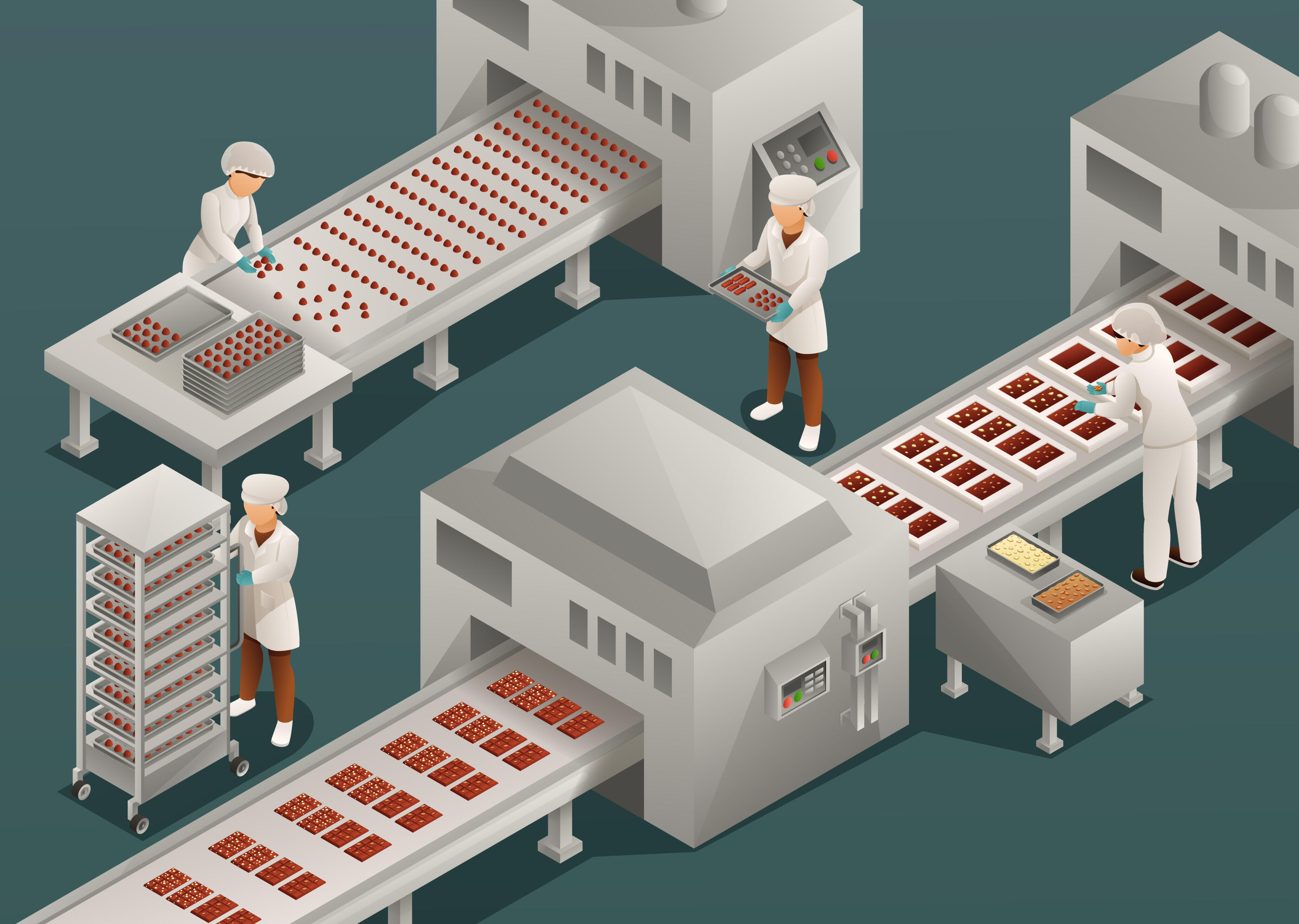
From raw material procurement to product shipment, the food industry requires precise monitoring at every stage to ensure quality and safety. Laboratory instruments are indispensable tools for food manufacturers, helping them achieve optimal performance in R&D, quality control, and production.
1️⃣ Food Factory R&D and Formula Optimization
During the new product development phase, food manufacturers need to ensure formula stability and consumer taste.
Viscometers and Rheometers: Measure the flow properties of sauces, soups, dairy products, or beverages, helping engineers fine-tune formulations.
Moisture Analyzers: Ensure the moisture content of baked goods, snacks, or frozen foods is within the optimal range to avoid affecting taste or shelf life.
Color Analyzers: Accurately measure product color to maintain a consistent appearance and meet brand standards.
2️⃣ Production Line Quality Control
During mass production, food manufacturers need to monitor various parameters in real time to prevent defective products from being shipped.
pH and pH Meters: Suitable for dairy products, sauces, and fermented foods, ensuring stable pH levels during processing.
Water activity analyzers: Assess the risk of microbial growth, especially important for snacks, dry goods, and frozen foods.
High-precision scales and ingredient analysis: Ensure that sugar, salt, fat, and additive content meet recipe and regulatory requirements.
3️⃣ Raw material testing
Food manufacturers must control raw material quality at the source to prevent product defects.
Microanalyzers: Measure the content of ingredients in agricultural, dairy, and meat products to ensure consistent raw material quality.
Foreign matter detection and screening equipment: Combined with laboratory testing, they reduce processing risks.
4️⃣ Finished product inspection and shipping
Food manufacturers must conduct a final quality assurance check before shipping their products.
Physical and chemical analysis: Test moisture, viscosity, color, sugar content, and other parameters to ensure that the products consumers receive meet standards.
Microbiological risk assessment: Reduce food safety issues through water activity analysis and other safety tests.
For food manufacturers, laboratory instruments are not just R&D tools; they are comprehensive partners in production, quality control, and shipping. From raw materials to finished product, every step is precisely monitored to ensure food safety and consistent quality, while also enhancing brand trust and market competitiveness.
Click here to view more food application equipment:
https://www.te-lab-equipment.com.tw/food-industry-applications