
General Lab Equipment
TE Lab Technology has more than 20 years of professional laboratory equipment operation team, engaged in the domestic business of various life sciences, molecular cell biology, biomedical and food and research units related equipment and consumables, and has professional and high-quality laboratory physical and chemical equipment, experiments Room planning and maintenance capabilities.

We provide professional laboratory stirrers, heating stirrers, silent stirrers, magnetic stirrers, DC stirrers, DC stirrers, laboratory consumables, etc., various instruments and consumables.
Experts in laboratory mixers - TELAB
We provide professional laboratory stirrers, heating stirrers, silent stirrers, magnetic stirrers, DC stirrers, DC stirrers, laboratory consumables, etc., various instruments and consumables. The team of more than 20 years in the industry has provided you with a variety of product choices and perfect services, and is a professional laboratory equipment supplier. Instrument, physical and chemical, laboratory consumables service line: (02) 2874-4741
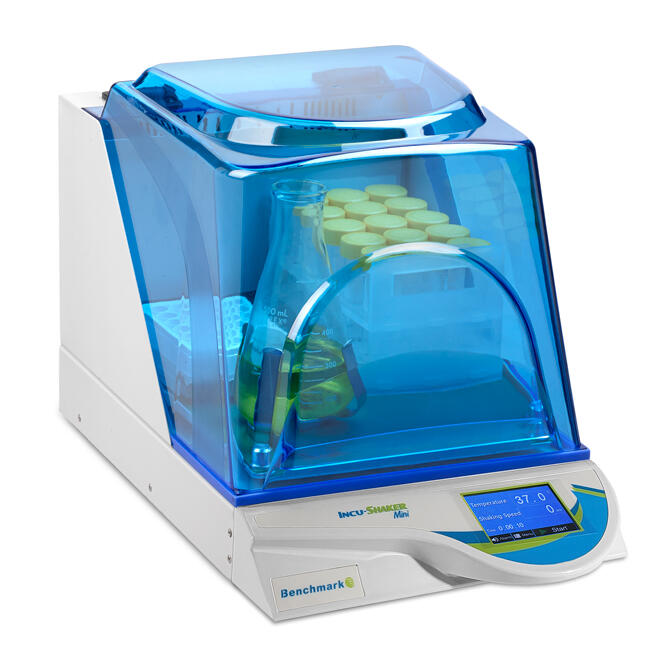
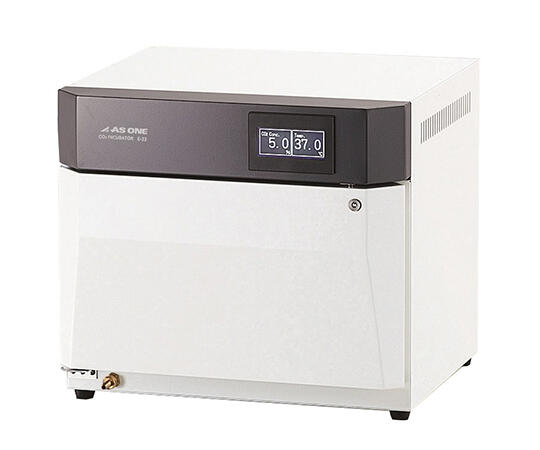
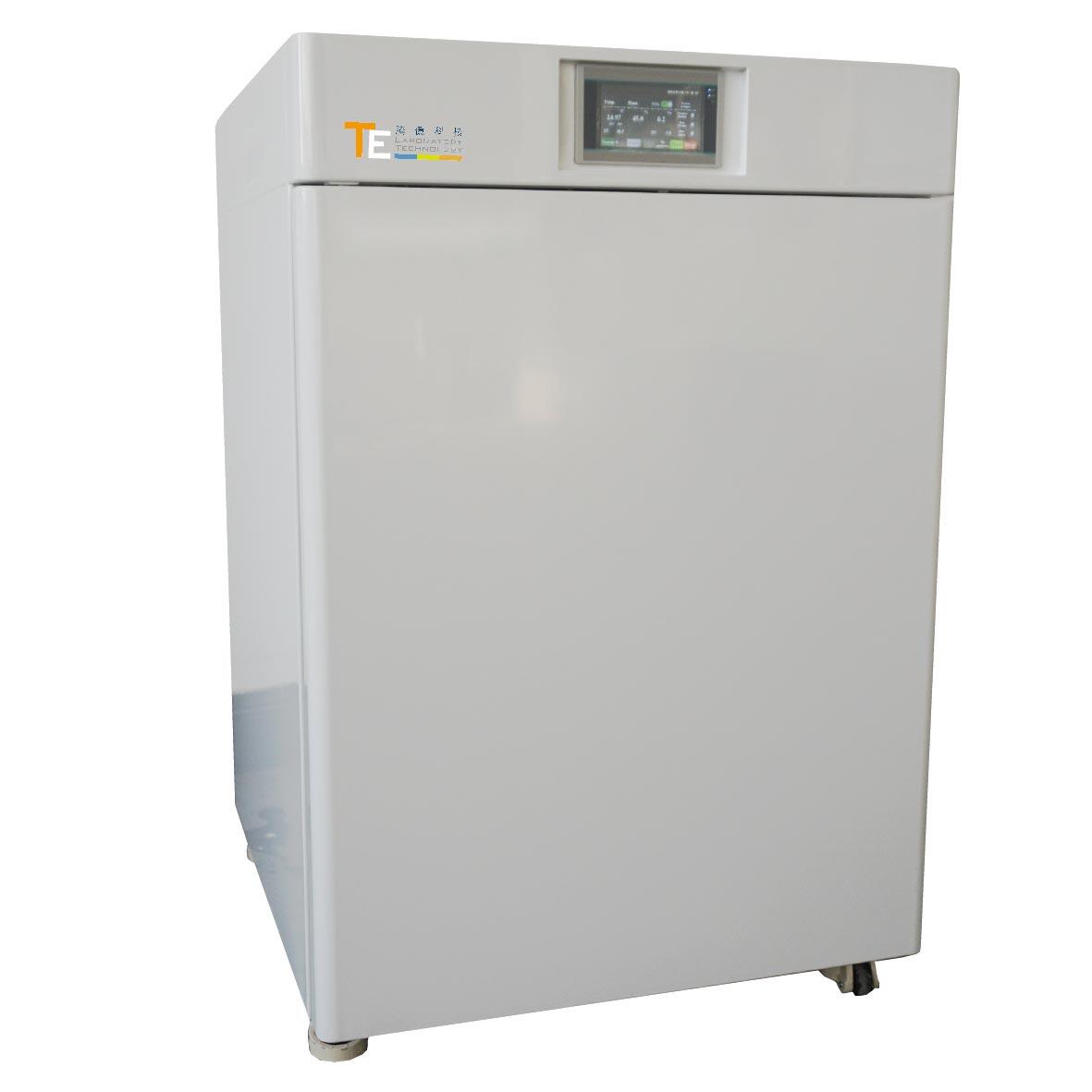
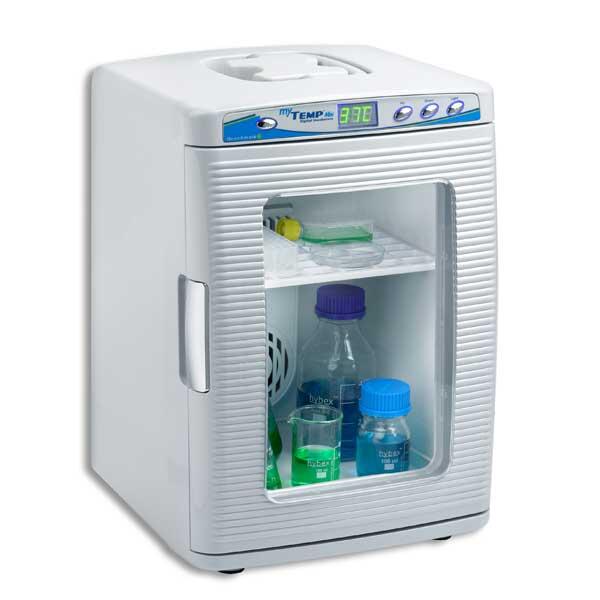
The incubator is used for cell, tissue, microorganism, medical and biological experiment equipment.
TELAB provides a variety of incubator types, including low temperature, normal temperature, carbon dioxide, and shaking incubators, for different types of customers to choose from!



Ultrasonic Cleaner Series
Capacity 3L ,Heater Power 88W,Temp. 20~80℃
The cavitation phenomenon consist of formation and growth of millions of microscopic bubbles under a low pressure stage, produced into the ultrasonic bath due to a high power transducer 40/59kHz.
These bubbles break in all directions and attack every surface in contact with water, erasing dirt, impurities and pollutants when contacting with the materials or pieces into the bath. This phenomenon allows cleaning all kind of piece without need of disassembling, due to it is taking part in all surface in contact with the liquid. The heat allows accelerate this clearing process.
Three types of laboratory homogenizers commonly used | TELAB
There are three main types of homogenizers commonly used in laboratories: ultrasonic crushing homogenizers, physical homogenizers (probe rotary blade homogenizers) and slapping homogenizers (iron stomach machines), and each type of homogenizer has its own characteristics. For the scope of application and advantages and disadvantages, Tengyi will introduce these three homogenizers one by one.
1. Ultrasonic crushing homogenizer
Principle: Using sound waves and ultrasonic waves, it works on the principle of rapid alternate compression and expansion when encountering objects. Under the action of ultrasonic waves, when the material is in the half cycle of expansion, the material liquid is pulled and expands as bubbles; when it is in the half cycle of compression, the bubbles shrink. When the pressure changes greatly and the pressure is lower than At low pressure, the compressed air bubbles will collapse sharply, and a "cavitation" phenomenon will appear in the feed liquid, and this phenomenon will disappear with the change of pressure and the imbalance of external pressure. At the moment when the "cavity" disappears, The surroundings of the liquid cause a very large pressure and temperature increase, which plays a very complex and powerful mechanical stirring effect to achieve the purpose of homogeneity.
Scope of application: various tissue crushing and cell lysis, extraction of organelles, nucleic acids, and proteins, and emulsification and homogenization of other industrial samples.
Advantages: easy to use, can handle different amounts of samples by changing different probes; good emulsification and homogenization effects, suitable for single-sample operation.
Disadvantages: Multiple samples cannot be processed at the same time, different samples need to replace or clean the probe, increasing the chance of cross-contamination between samples; it has certain influence on biological samples with special requirements.
2. Physical homogenizer VELP OV5/ WIGGENS D130
Principle: This type achieves the purpose of separation, mixing, crushing, homogenization and emulsification through the rotation of the rotor and the stator in the homogenizing rod. It is suitable for processing tough samples.
Scope of application: food, cosmetics, materials, chemical industry, used to disperse animal/plant tissues, extract nucleic acid, protein, etc. with lysate, and can also be used to make suspension/emulsion of resin and pigment in industry.
Advantages: It has the characteristics of high speed, large torque and no noise. It is easy to use, and can handle different amounts of samples by changing different probes. It is easy to operate and is more suitable for single-sample operation.
Disadvantages: Multiple samples cannot be processed at the same time, and different samples need to be replaced or cleaned to increase the chance of cross-contamination between samples.
3. Slap type homogenizer (iron stomach machine) BNFKOREA LS-1250A/biological sample homogenizer BEADNUG 6 &24
Principle: Constantly thumping on the bag through the thumping board. The pressure generated can crush and mix the contents of the bag, also known as iron stomach machine, which is mostly used for homogenizing food and raw materials.
The grinding bead homogenizer is to put the sample and the corresponding beads into the test tube through three-dimensional high-speed rotation and vibration, and grind the sample by the high-speed beating of the grinding beads, homogenize and break the sample.
Scope of application: It has a wide range of applications and can be used for the crushing of animal and plant tissues, algae, bacteria, yeast, fungi or molds and various sporophytes, and the extraction of DNA/RNA and protein.